I have this memory. It’s 1990. I’m standing in the stairwell of my East Berlin apartment building. My girlfriend is next to me, tears streaming down her cheeks. Quiet and confused, my face is twisted into a question mark. I’m staring at our mailbox. Scrawled across the front is a swastika and the words Juden Raus.
All that’s going through my mind is that this is some sort of mistake. You got the wrong guy. I’m a white boy from Detroit, partly raised in a black family. I have shit to deal with and my own fair share of hangups, but this isn’t one of them. This is someone else’s story.
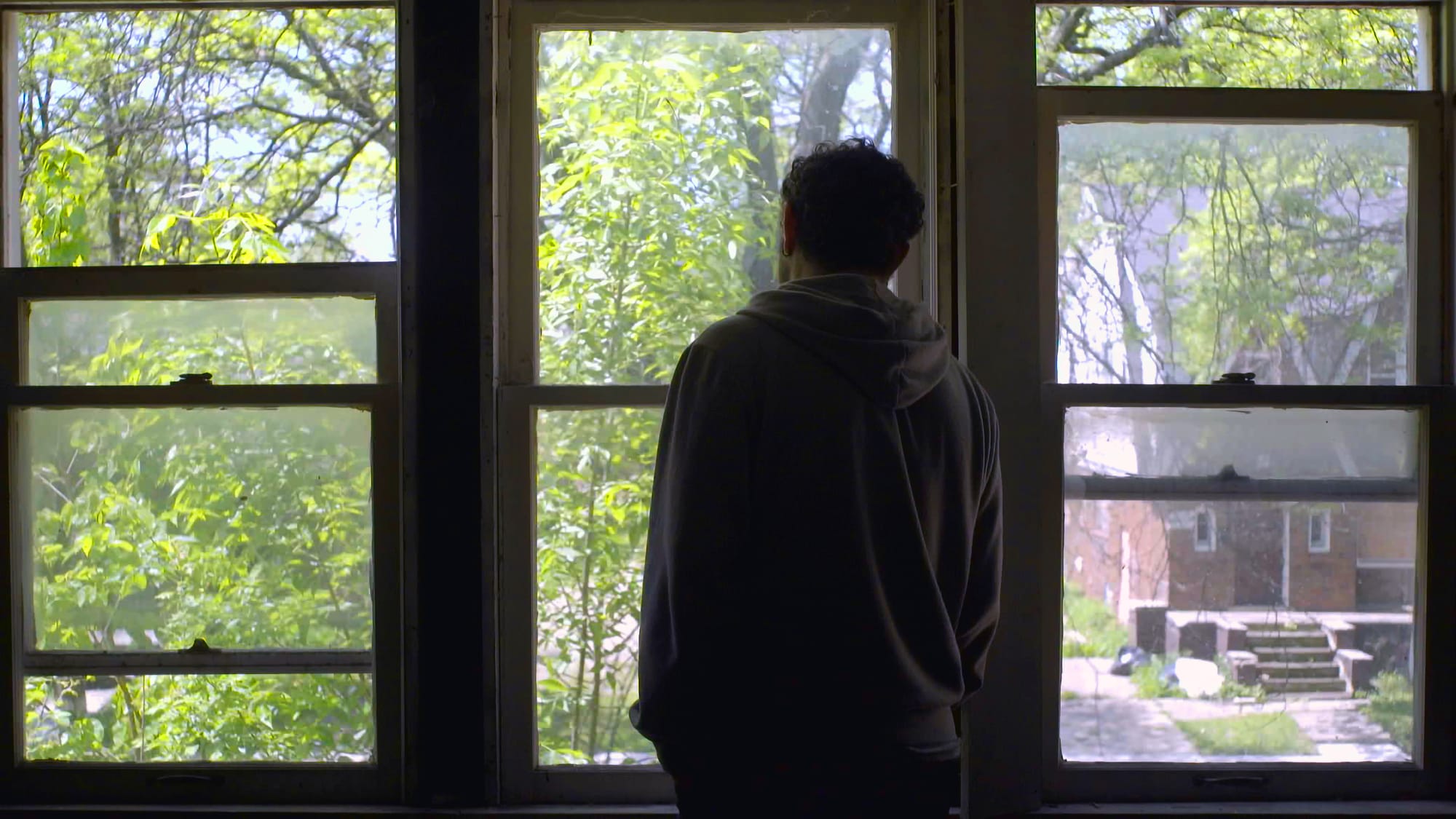
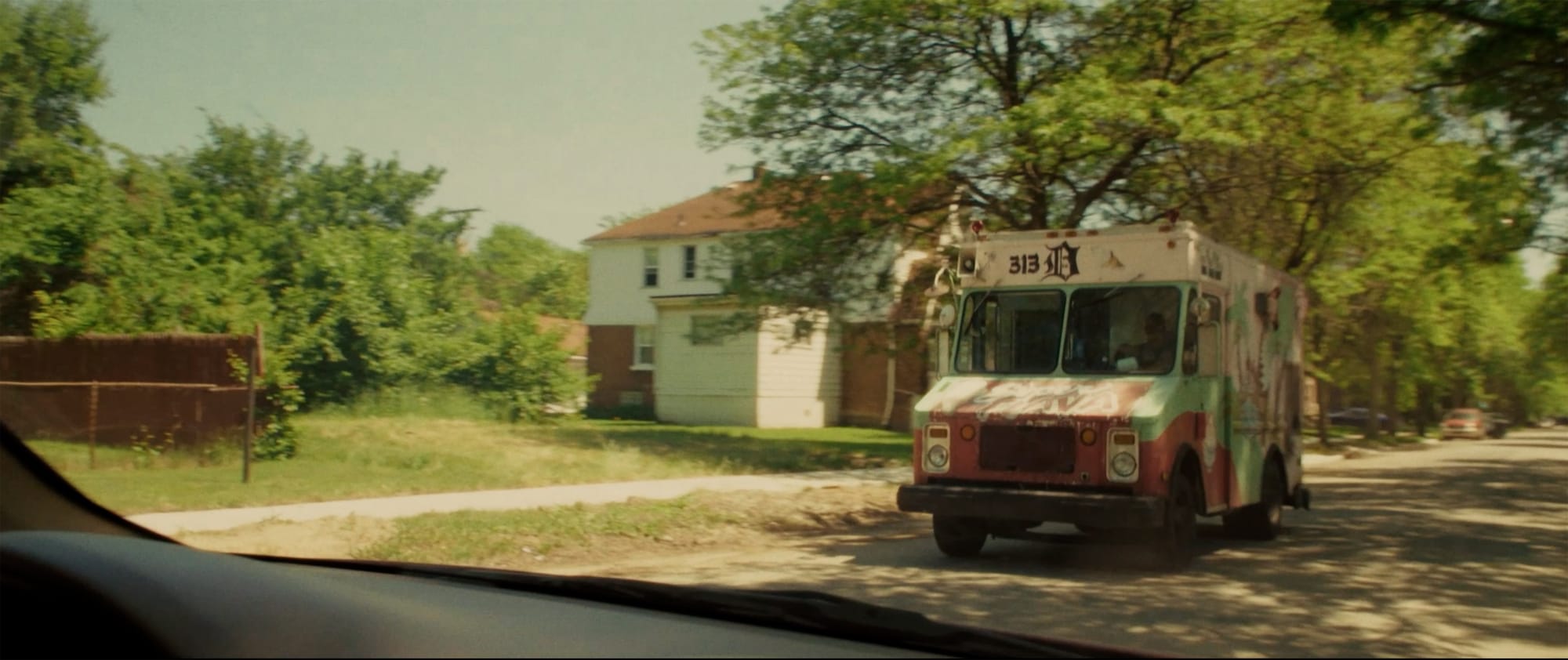
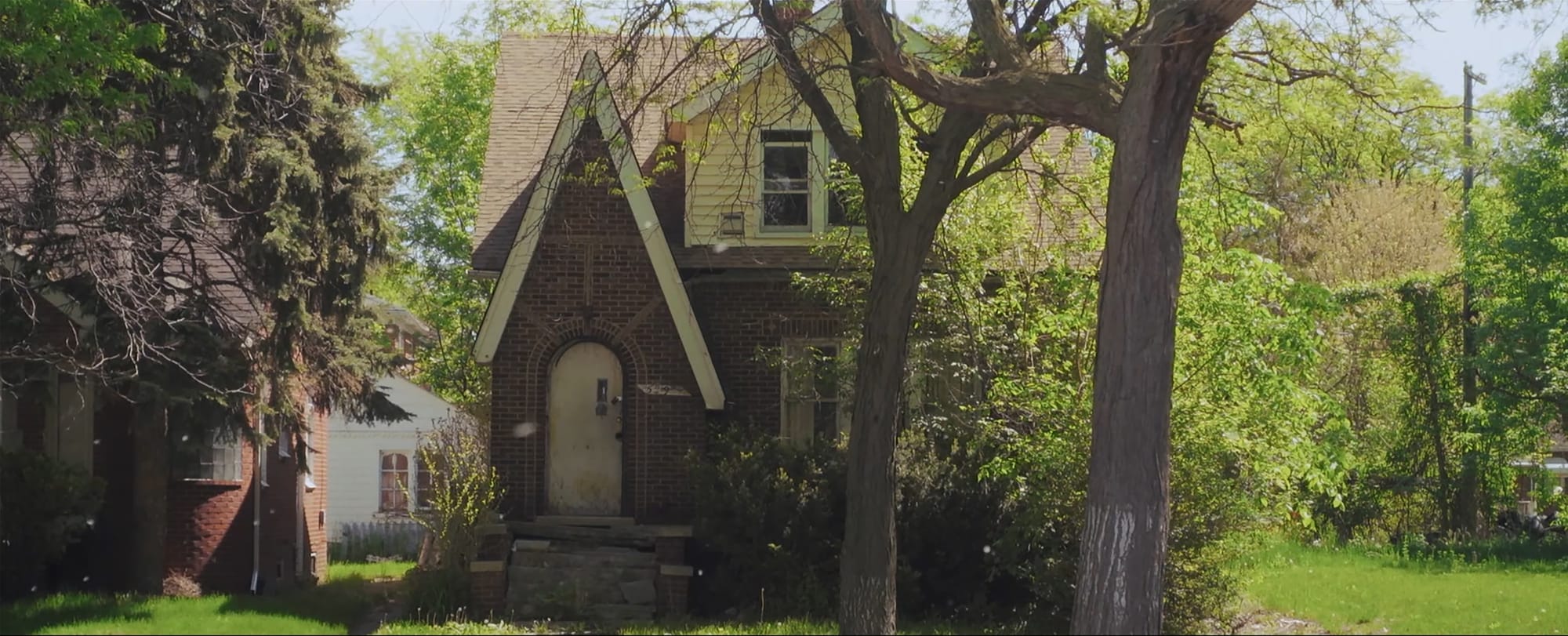
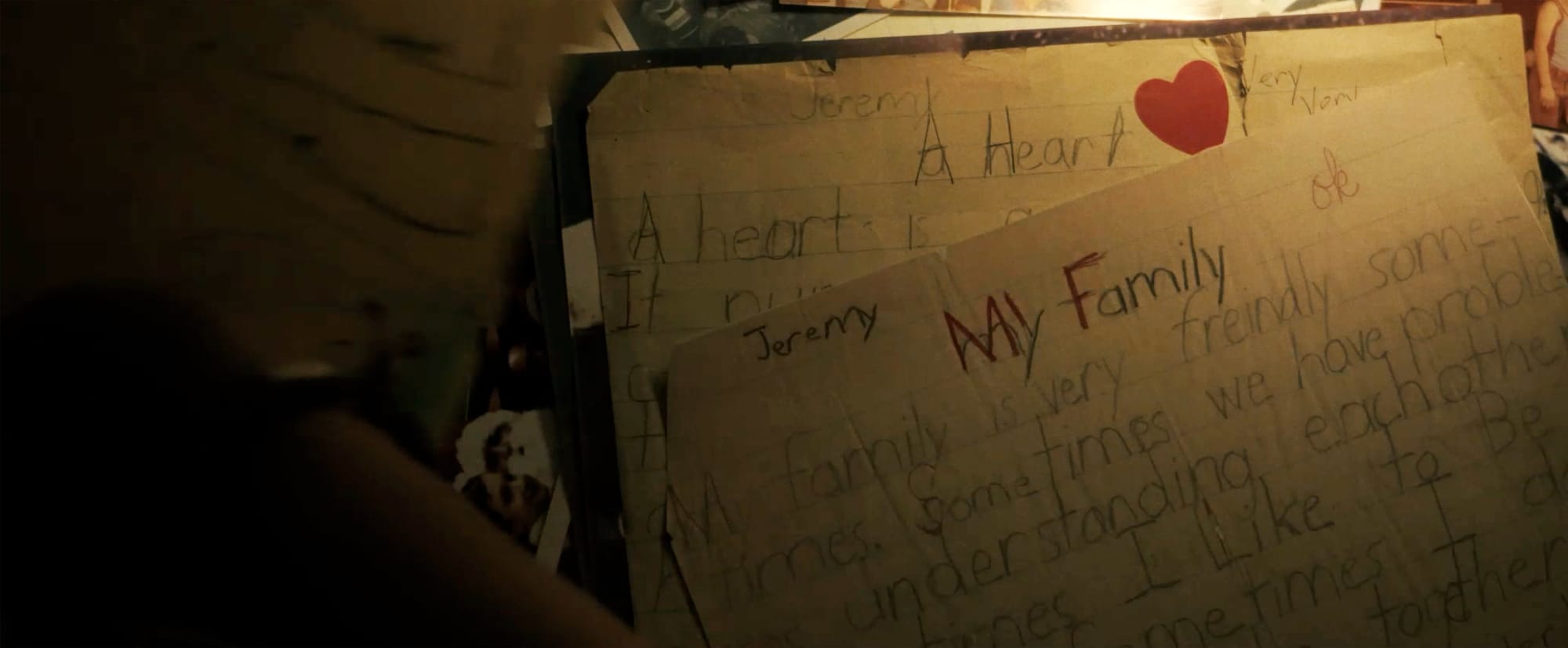
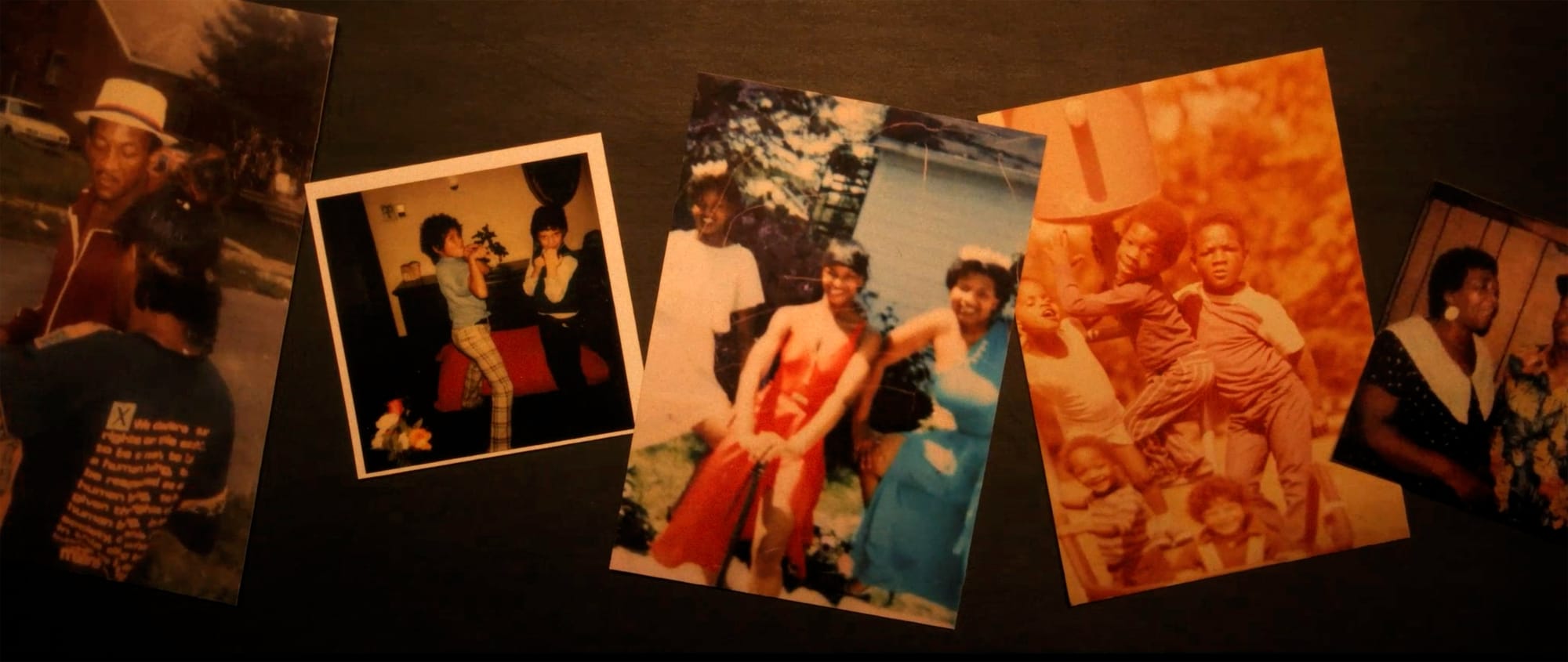
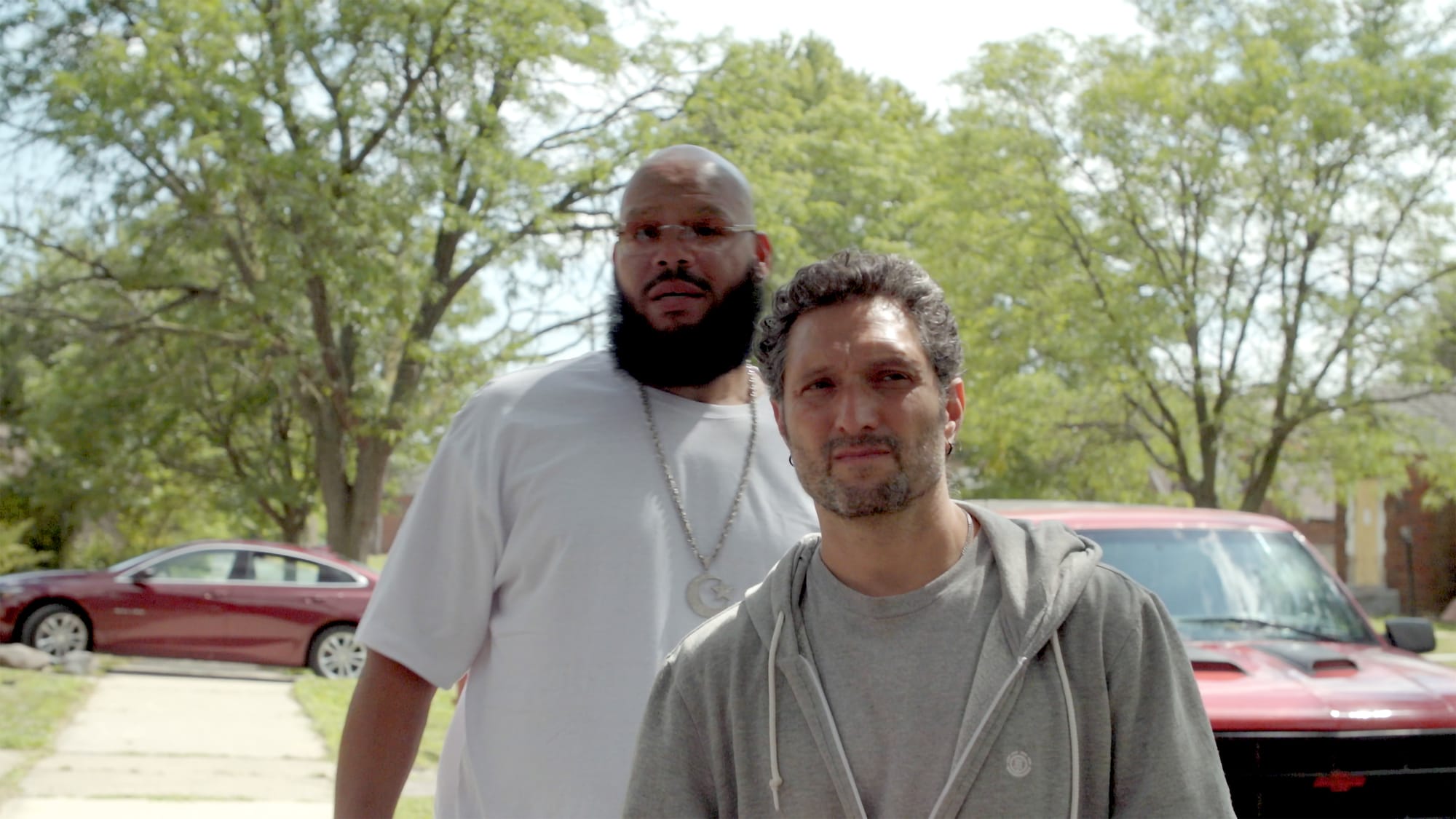
I haven't thought about this moment for a long time, but now, years later, I'm starting to see it through the filter of a movie I just made, Sons of Detroit. It's about how I grew up and the tangle of family, race, violence and history that shaped me. At its core, the film circles around silences and the need to have honest conversations about race — and especially about what it means to be white.
What I couldn't have imagined back in that east Berlin stairwell is how my inability to acknowledge the threat was a product of my Jewish family's striving to “become” white once they came to America. The swastika wasn't just immediate danger—it was evidence of a belonging I had been taught to disavow. How had I come to see myself as white, but not Jewish?
I think back to how my family got to the United States.
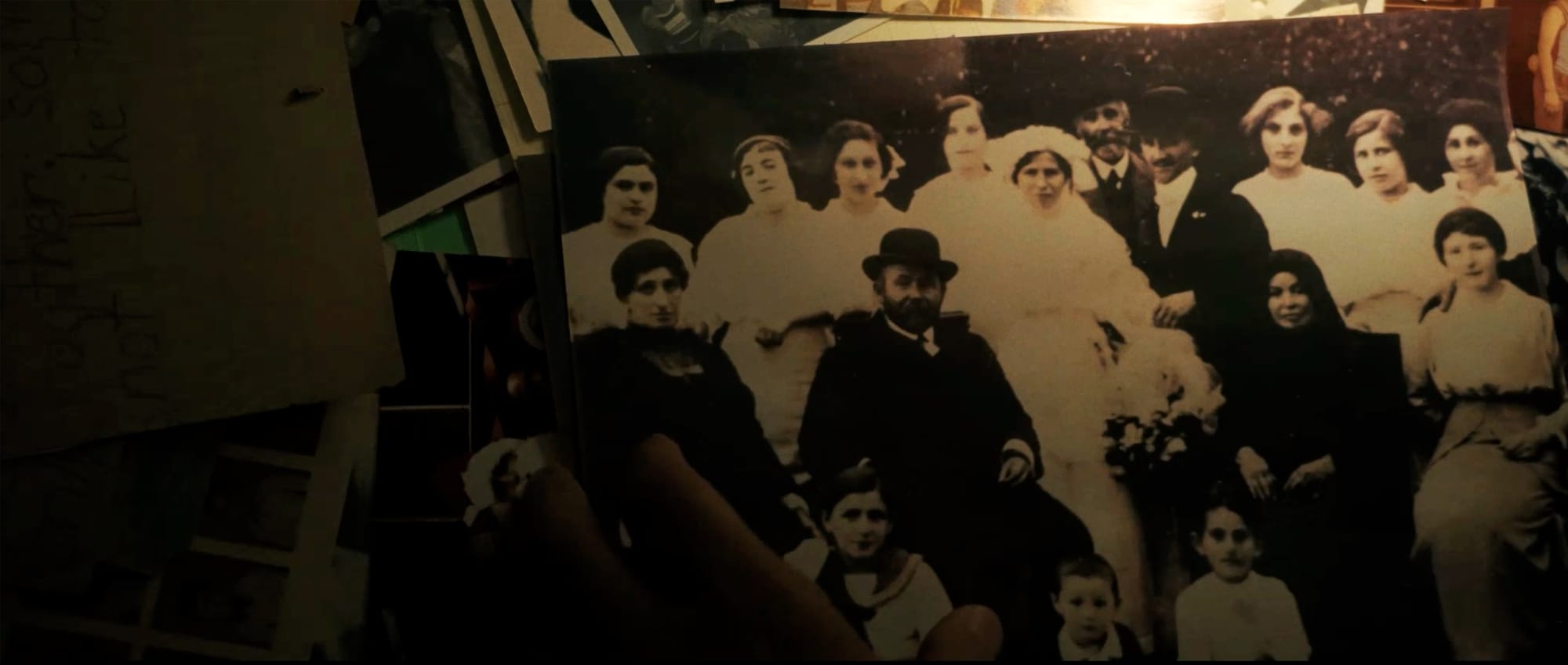
The story my grandmother told is that her father, once the gardener for a Transylvanian Count, was conscripted into the Austro Hungarian cavalry after Franz Ferdinand was assassinated in Sarajevo. When my great grandfather’s horse was shot out from under him on the Russian front, he was pinned beneath it, captured and sent as a prisoner of war to a work camp in Siberia. While there the Russian revolution happened. The Reds liberated the prisons and he was given a choice: stay and help build the revolution or go home. A simple, not particularly ideological man, he decided to go back to Transylvania.
Life was particularly hard for a post-World War I Jew in Kološvar. Poverty, anti-semitism, growing fascist movements that would later wipe out half the family. Word had been spreading that a guy named Henry Ford was looking for workers in a place called Detroit. So my great grandfather went. He got a lung disease working at the River Rouge plant and wound up moving to New York where he got a job working as a grounds keeper for a country club.
Generations later his grandson, my father, an anti-war activist and member of the Communist Labor Party arrived to Detroit in 1974 from San Francisco to work with the League of Revolutionary Black Workers. An avowed anti-capitalist and anti-racist doctor, he carved a job out for himself with the United Auto Workers as the Health and Safety director. In a strange historical echo, he was tasked with helping protect workers from getting the sorts of illnesses that his grandfather suffered from years before. What’s remarkable is that he never knew that his grandfather had worked at River Rouge.
While my great grandfather was largely an apolitical man who mostly tried to keep his head down as huge, violent international events swirled around him, his kids and his kids’ kids all became very politically active. I come from the Jewish lineage that responded to generations of poverty, oppression, and violence by dedicating themselves to social justice: largely secular, god-optional, culturally connected, politically minded, eternally conflicted.
My father’s father, a semi-professional baseball player from Staten Island who, as a child was traumatized by a burning cross placed outside his father’s dry goods store, was later targeted during the McCarthy era. Feeling threatened both as a Jew and for his political beliefs, he decided to pursue a white American suburban identity. He assimilated, hid who he was. And taught my father to do the same. Which my father then passed on to me.
And there I was, standing in that stairwell in Berlin, confused and blind to myself, unable to see what that swastika had to do with me—because my generations before had worked so hard to make sure I wouldn’t. The fear they had lived with had been converted into a survival strategy: become white, succeed, don’t look back.
But striving for whiteness meant absorbing its logic, hierarchies and blindspots. Even for a family that organized, marched and dedicated itself to social justice. Steeped in a world of white supremacy ideology, it’s impossible for it not to seep into my pores, become internalized.
Even growing up partly in a black family — my life intimately intertwined with people who lived the consequences of white supremacy daily — I had absorbed these values without knowing it. Proximity isn't immunity. The transmission from my grandfather's terror to my father's silence to my own blind spots was an unbroken thread.
It wasn’t until I started working on Sons of Detroit that I began to untangle any of this. The film has forced me to look directly at things I had been taught not to see—and never to name. Sons of Detroit is an attempt to finally see them. And say them out loud.
The award-winning film, SONS OF DETROIT is opening the Cinetopia Film Festival in Ann Arbor on May 14th and making its official Detroit debut at the DIA’s Detroit Film Theatre on Sunday, May 17th. Tickets and info here: https://cabula6.org/soddetroitscreening
Comments
Sign in or become a Nu?Detroit member to join the conversation.
Just enter your email below to get a log in link.